News

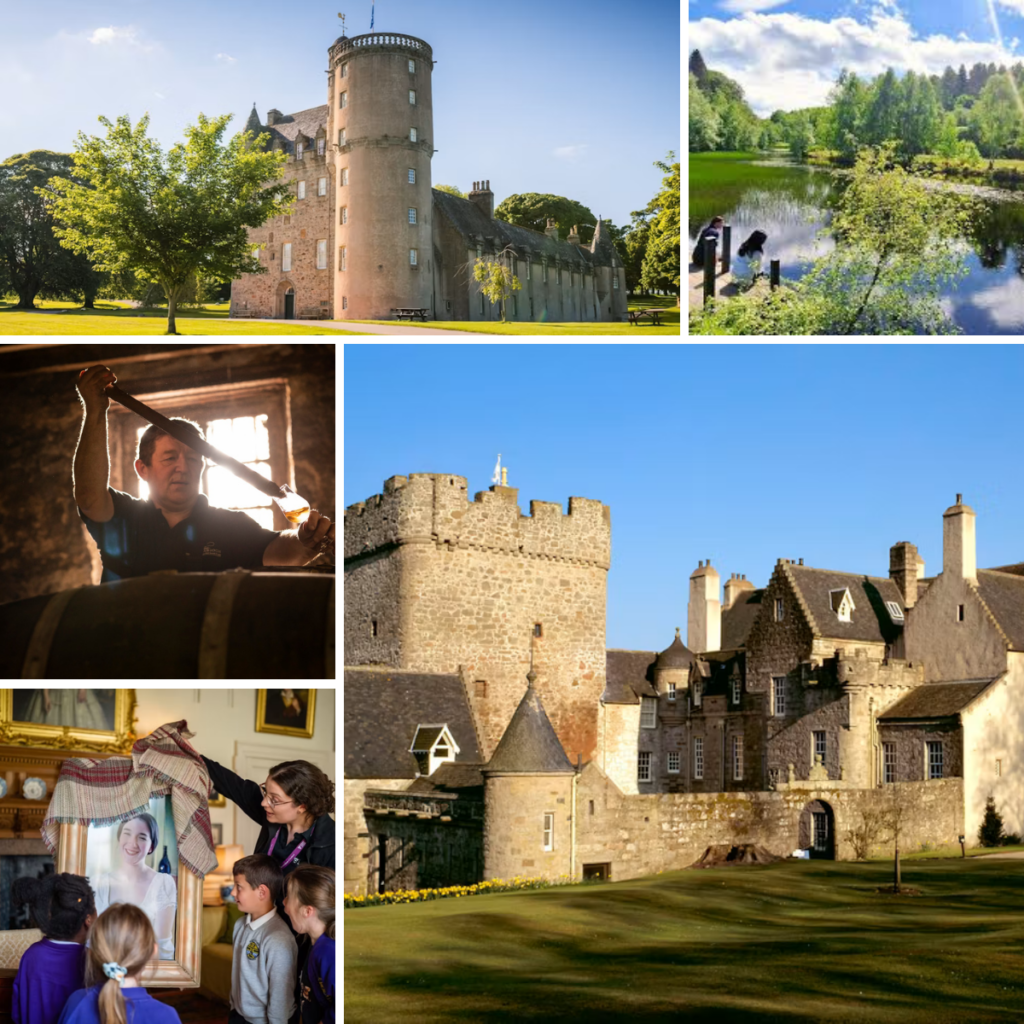
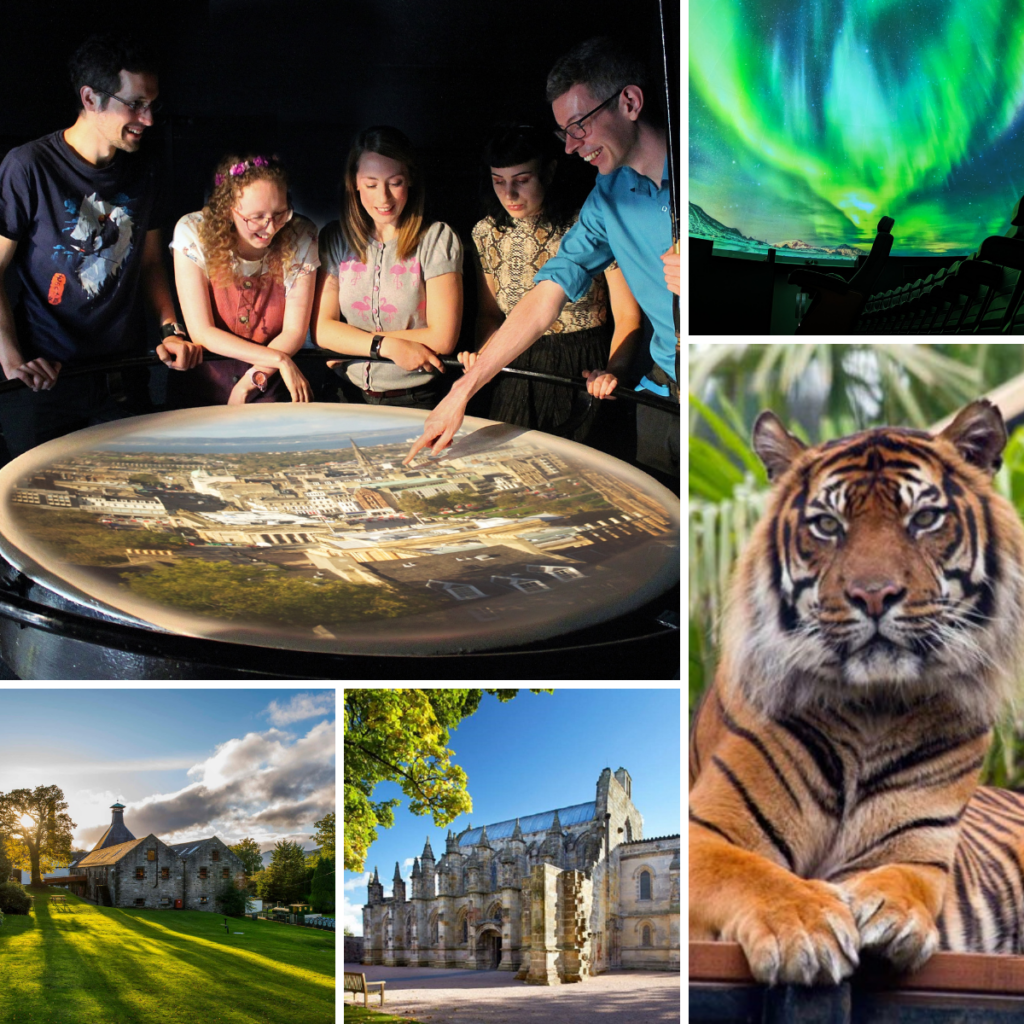
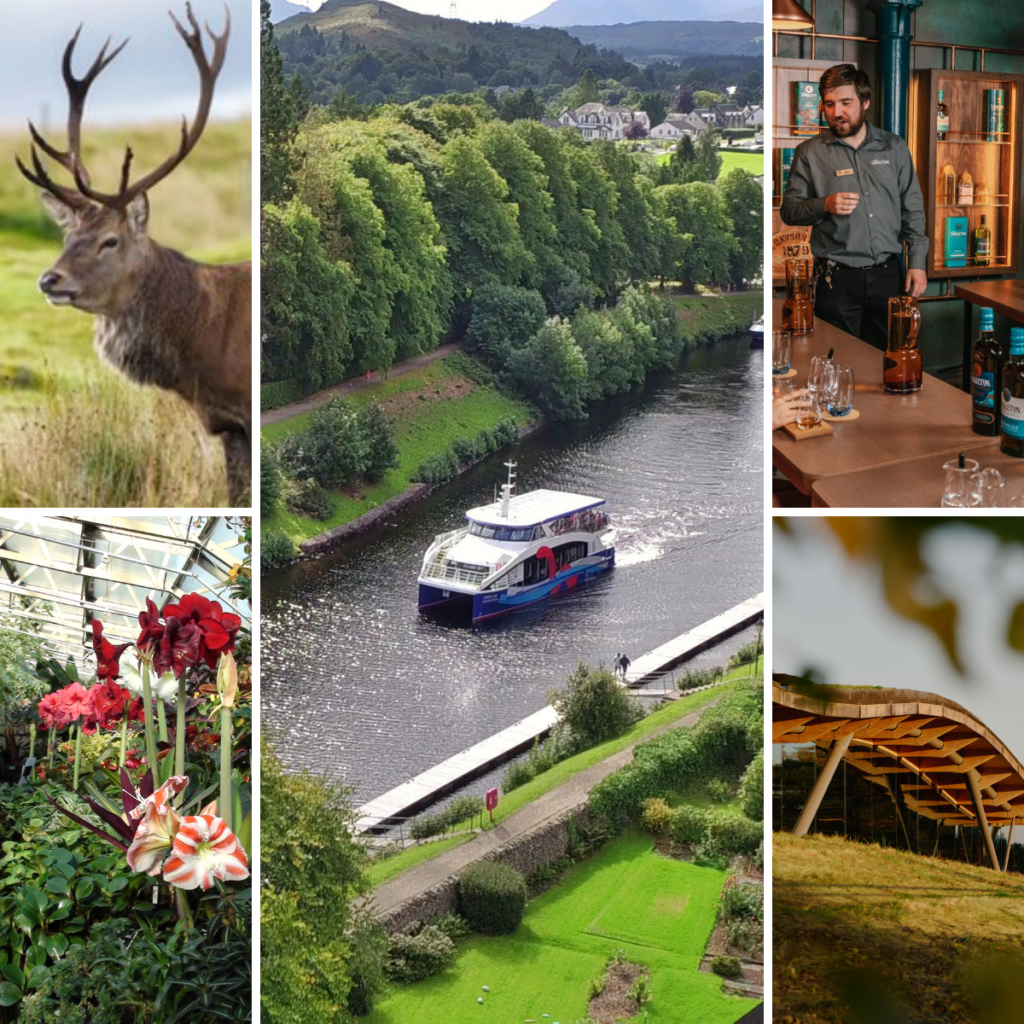
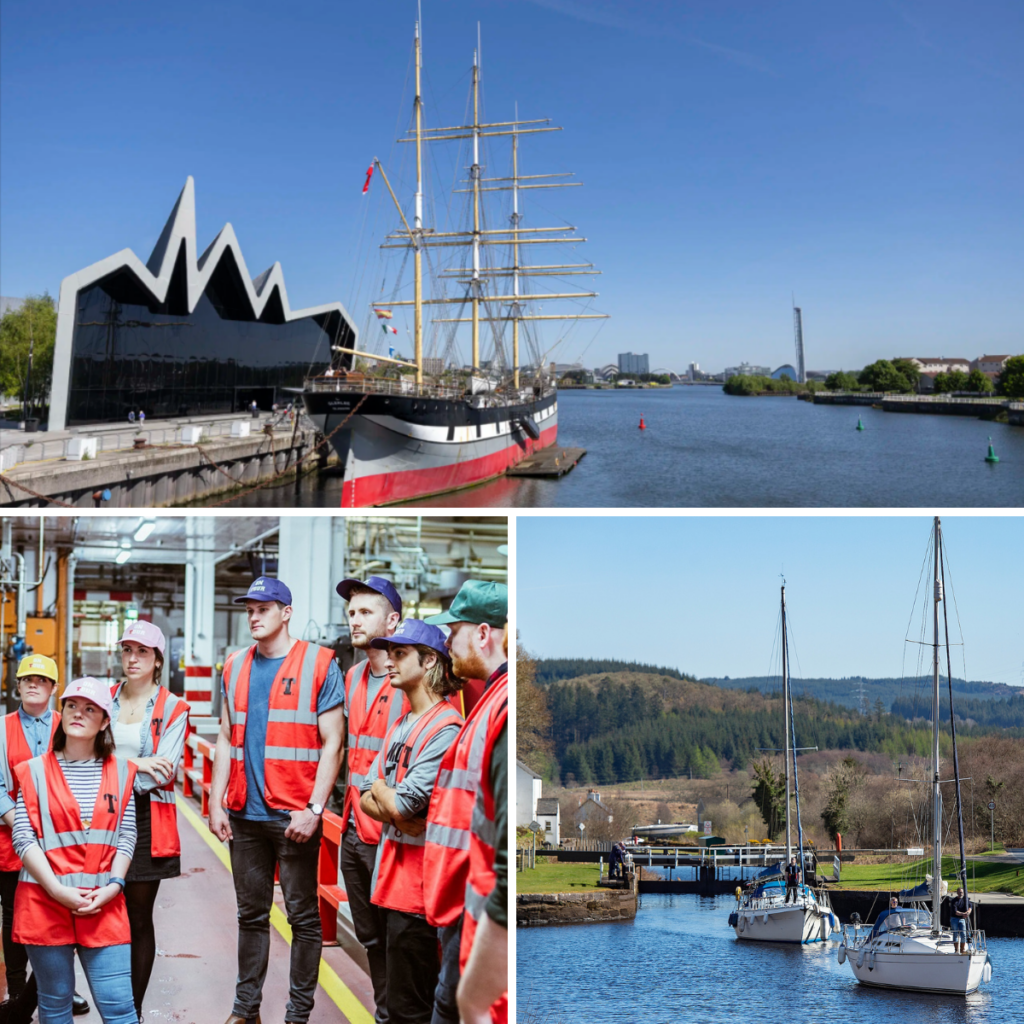
Since the closure of the previous national quality scheme, more than 230 attractions across Scotland have joined the ASVA Quality Scheme.

That level of engagement shows the continued importance of independent quality assessment within the visitor attraction sector, but also reflects a wider conversation about what quality means for attractions today.

Across Scotland, attractions are operating in an increasingly challenging environment. Visitor expectations continue to increase, operational costs are rising, and businesses are balancing commercial realities with the desire to deliver memorable experiences.

At the same time, visitors are becoming more discerning. Quality is no longer judged solely on the core attraction itself, but on the entire visitor journey, from the booking process and welcome, to interpretation, accessibility, retail, catering and customer service.

In this environment, attractions need more than accreditation, what is really helpful is practical insights, external perspective and constructive support that helps them continue improving and evolving.

A scheme created by the sector, for the sector

The ASVA Quality Scheme was developed specifically for Scottish attractions.

Importantly, it was designed in direct response to feedback from the industry itself. Attractions wanted a quality scheme that reflected the realities of operating within the visitor attraction sector, rather than a broader hospitality-focused assessment model.

The scheme is also informed by ASVA’s visitor research, ensuring that the grading criteria are shaped around what visitors themselves value most.

As a not-for-profit initiative, the focus is firmly on delivering value to the sector through practical support, benchmarking, development opportunities and continuous improvement.

More than an accreditation

For many participating attractions, one of the most valuable aspects of the scheme is the opportunity to gain an independent perspective on the visitor experience.

As part of the process, one of ASVA’s Quality Advisors visits the attraction as an incognito visitor and evaluates the experience against visitor expectations and industry best practice.

Following the visit, attractions receive:

  • Verbal feedback on the day
  • A detailed written report
  • Scoring and benchmarking insights
  • Practical recommendations for improvements
  • Physical and digital star signage
  • Ongoing access to the Quality Team for support and advice

The process is designed to be supportive and a tool for further development.

The aim is not to change what makes an attraction distinctive, but to help organisations identify strengths, recognise opportunities for improvement and continue enhancing the visitor experience while retaining their own individuality and character.

Supporting staff engagement and team building

Many attractions also report that the assessment process has a positive impact internally.

Preparing for a grading visit often encourages teams to reflect on the visitor experience together, celebrate successes and identify areas for improvement as a group. For some organisations, the process can provide an important morale boost and create renewed focus around customer service and operational standards.

The scheme also creates opportunities for attractions to benchmark themselves against industry peers and share best practice across the wider sector.

What attractions are saying

Participating attractions have highlighted the value of independent assessment, sector-specific expertise and constructive feedback.

Royal Yacht Britannia commented:

At Britannia we have built our reputation on delivering a world-class experience, and I do not believe you can achieve this without an independent assessor taking a critical view of your experience and benchmarking you against the best.

Dundreggan also emphasised the value of guidance and support:

As a relatively new attraction, we appreciate the support and guidance it will provide, to ensure we are on the right track to delivering visitor experiences to the highest standard.”

Other attractions have highlighted the benefits of peer collaboration and being part of a collective commitment to raising standards across Scotland’s tourism sector.

Strengthening Scotland’s visitor experience

Ultimately, the ASVA Quality Scheme represents more than individual star gradings.

It reflects a wider commitment by Scotland’s attractions to delivering consistently high-quality experiences that encourage first-time visits, repeat visits and positive recommendations.

By working together to maintain and improve standards across the sector, attractions contribute to Scotland’s wider reputation as a welcoming, professional and world-class destination.

Find out more

The ASVA Quality Scheme is open to both ASVA members and non-members, with pricing for ASVA members starting from £250 and options for annual or biennial visits.

Scotland’s visitor attractions showed resilience throughout 2025, with new figures suggesting ASVA member attractions are continuing to outperform wider industry trends despite ongoing economic pressures.

The latest Scottish Visitor Attraction Report, published by the Association of Scottish Visitor Attractions (ASVA) in partnership with the Moffat Centre at Glasgow Caledonian University, revealed that Scotland’s attractions recorded 39.4 million visits in 2025, a marginal decline of just 0.2% compared with 2024.

However, the report indicates that ASVA member attractions remain comparatively resilient, with paid attractions recording a 1.6% increase in visits year-on-year, though free attractions saw a 1.4% decline. Industry leaders say the figures reflect the strength of professional visitor attraction operators that continue to invest in visitor experience, digital engagement and diversified revenue streams.

Free attractions continued to dominate overall footfall, accounting for almost 58% of all visits in 2025, while attractions welcoming more than 100,000 annual visitors generated over half of all reported visits nationwide.

Edinburgh Castle retained its position as Scotland’s most visited paid attraction, welcoming more than two million visitors in 2025, while the National Museum of Scotland remained the country’s leading free attraction with over 2.3 million visits.

The report also highlights strong performance in visitor spending among attractions with established commercial operations. Average visitor spend reached £9.52 per visit on admissions, £3.41 on retail and £3.43 on catering, underlining the growing importance of secondary spend to attraction sustainability.

Digital engagement also remained a major strength across the sector. More than 94% of attractions reported having an active social media presence, while over 60% said they update their websites or social media channels daily.

Seasonality continues to shape the sector, with almost two-thirds of visits taking place between April and September. August remained the busiest month of the year, accounting for more than 13% of annual visits.

The findings also showed continued strength in Scotland’s cultural and heritage offering. Museums and galleries, outdoor attractions and historic sites remained among the country’s strongest-performing categories, while distilleries and breweries continued to attract adult audiences and strong international interest.

The results demonstrate the long-term value of collaboration, professional standards and continued investment across the visitor attraction sector.

The ASVA Scottish Visitor Attraction Report is based on responses from 363 attractions across Scotland, representing a response rate of more than 90%.

The full report can be accessed in the member’s area.

We are inviting ideas for this year’s ASVA Conference, taking place on Thursday 12 November 2026 at Perth Concert Hall.

With 400+ attractions professionals from across Scotland attending, this is your opportunity to share your story, showcase your work, and contribute to the conversations shaping our industry.

We’re currently welcoming nominations and suggestions:

✨ Speaker nominations (yourself or someone else)
Please include:
– name, organisation and role
– a one-sentence theme
– a short (3 sentence) overview of the subject

✨ Themes
What’s the one thing you’d most like to hear about this year?

✨ Something special
Last year we had the wonderful Commonwealth Games Mascot Finnie join us live. She brought something special to the day. So, we’re inviting out of the box ideas for this year. Get creative and share your thoughts!

Send your ideas to Michael Golding michael@asva.co.uk

There will be one further call for speakers before nominations close. All submissions will be carefully considered, with final decisions expected by mid-July.

Thank you in advance for your ideas, creativity, and support in helping us deliver the very best ASVA Conference yet.

Thanks to Timberplay for providing this insightful article exploring the importance of risky play in children’s development. Drawing on their expertise in designing engaging, challenging play environments, Timberplay highlight how carefully considered opportunities for risk can help children build confidence, resilience and essential life skills.


We want the children in our lives to be confident, resilient, self-aware people who can manage life, with ease.

At Timberplay, we design playgrounds that create opportunities for children to experience risk and challenge while buidling confidence in managing it safely. Exposure to risky play from an early age supports children to grow into more confident, resilient individuals.

Risky play is understood to improve mental and physical health, prevent obesity, mitigate anxiety, improve balance and spatial awareness.

Adults naturally want to protect children, but this instinct must be balanced with an understanding of how valuable it is for children to make mistakes, slip up and even fail. A well designed playspace should offer far more than a single whizz down a slide, or a simple up and down to get up higher. It should have a range of open ended opportunities to enable problem solving, challenge, risk and collaboration. Through these experiences, children learn how to protect themselves, even if there are a few bruises along the way.

While we can’t predict the world children will grow up to navigate, we can support their development from birth through to adulthood. By offering opportunities that build resilience and adaptability, play helps children develop the independent skills they will need to thrive in an uncertain future.

Play is essential to development.

Risk is an essential part of play.

As an organisation we actively advocate for children’s right to take risks because research and experience show that risky play supports both mental and physical health. It helps prevent obesity, reduce anxiety, improve balance and increase spatial awareness.


You can see this drive for challenge in children every day. Not only when they climb higher or run faster, but in the small moments too, when stepping only on kerbstones, walking backwards, turning the familiar into something more demanding. Children instinctively seek to make the mundane more challenging, more risky and ultimately, more fun!


Without the time, space and support to engage in this type of play, other risks emerge. That’s why, when creating playgrounds in a wide range of settings, we work closely with clients to consider the value of the play being offered. Not to tick a box on a masterplan or enhance a brochure, but to create playspaces that genuinely enrich children’s lives and become places families want to return to, again and again.


To find out more about Timberplay you can visit our website here: www.timberplay.com or email us info@timberplay.com with any enquiries. Do follow us on social media where we regularly share our podcast Play Attention which hosts conversations with
Thinkers and changemakers, shaping the future of play.


Artificial intelligence and its impact on visitor attractions emerged as one of the most discussed topics at ASVA’s recent “Insights, Strategy and Marketing Member Exchange”, with members raising a wide range of questions about how rapidly changing technology is affecting marketing, visibility and visitor behaviour.

Discussions highlighted growing uncertainty across the sector, particularly around how AI-powered search and trip-planning tools are changing the way visitors discover attractions online.

The shift towards AI

Following the session, ASVA explored wider industry thinking, including a recent article in “Tourism Review” examining the rise of “agentic commerce”,  where AI tools  recommend and plan travel experiences on behalf of users rather than directing them through traditional search results.

The article highlights a significant shift: attractions are no longer discovered solely through Google searches or destination websites, but are increasingly being recommended by AI systems that curate experiences automatically.

This means visibility online is no longer just about search rankings, it is about how clearly and consistently attractions present their information across the digital ecosystem.

What attractions can do now

Key practical actions identified include:

  • Keep information accurate and up to date – Ensure websites, Google Business Profiles and listings clearly display opening hours, pricing and descriptions.
  • Build strong reviews and reputation – Recent, high-quality reviews on platforms such as Google and TripAdvisor help AI tools identify trusted experiences.
  • Be clear about your audience – Clearly describe who your attraction is for e.g. families, cultural visitors or short visits, so AI tools can match experiences to user needs.
  • Maintain consistency across platforms – Information should align across websites, booking platforms and destination listings such as VisitScotland.
  • Answer common visitor questions – Content explaining what visitors can expect, practical tips or suitability (such as rainy-day visits) helps AI systems understand and recommend your offer.
  • Make booking simple – AI tools favour experiences that are easy to access, with clear information and straightforward booking journeys.

In short, clarity, consistency and credibility are becoming essential for remaining visible in an AI-driven booking landscape.

New ASVA Industry Insight Events

In response to strong member interest and the volume of questions raised, ASVA is now delivering two free online Industry Insight webinars designed to help attractions understand and respond to these changes.

AI Discovery Is Here – What Does That Mean for Your Attraction Online

Date: 6 May
Time: 10:30 – 11:30
Online | Free to ASVA Members

Visitor attractions have spent years building websites designed to rank well on Google, but AI-powered search tools such as ChatGPT, Google’s AI Overviews and Perplexity are increasingly answering visitor questions directly, often without sending users to websites.

In this practical session, Neil Lewin, Managing Director of Semantic, will share a clear and actionable playbook for improving visibility in AI-generated search results.

Drawing on real-world experience working with attractions including Real Mary King’s Close, Twycross Zoo, Brighton Palace Pier, Silverstone Museum and The Crystal Maze, the session will cover:

Book your space now >>

Turning Screens into Ticket Sales: The Promise and Perils of AI-Powered Creative on Paid Media Platforms

Date: 19 May
Time: 10:30 – 11:30
Online | Free to ASVA Members

This Industry Insight webinar, delivered by specialist paid media agency The Media Shop, will explore how AI is transforming paid advertising and what this means for visitor attractions across Scotland.

The session will unpack emerging AI-powered creative tools, opportunities for improving campaign performance, and the potential risks attractions should understand as platforms evolve.

Book your space now >>

 Supporting members through digital change

The new webinars reflect ASVA’s commitment to helping members navigate rapid digital change with practical, sector-specific guidance.

As AI continues to reshape how visitors plan and book experiences, understanding how attractions are discovered online is becoming an essential part of marketing strategy.

Both sessions are free to ASVA members, with registration now open via the ASVA events page.

Earlier this month, UKInbound and a coalition of tourism, travel, aviation, leisure, events and hospitality organisations wrote to the Home Secretary to raise concerns about planned increases to visa and Electronic Travel Authorisation (ETA) fees. The letter was cosigned by ASVA.  It highlighted that a two-year visitor visa could rise by 40% over four years, with ETAs doubling since their introduction in 2023. The industry is concerned that these increases risk undermining the UK’s competitiveness as a visitor destination, could reduce international visitor spend, and would place further pressure on hospitality, tourism and high street businesses.

In its reply, the UK Government stated that immigration fees are kept under regular review and that there is currently limited evidence showing fee levels have significantly affected tourism demand. The Government acknowledged concerns around international competitiveness and confirmed that an impact assessment will be published alongside legislation introducing the proposed increases.

The Minister for Migration & Citizenship highlighted that fees are set under the Immigration Act 2014 and are designed to reflect application processing costs as well as the wider operation of the UK’s migration and borders system. The Government also emphasised that the UK continues to welcome international visitors and noted that the ETA allows multiple visits over a two-year period and is designed to be quick and straightforward to obtain.

Tourism industry organisations continue to stress the importance of maintaining the UK’s competitiveness as an international destination and will monitor developments closely as further details emerge. They will continue to speak to the UK Government and voice their concerns about the impact on the industry, with evidence to rebut their claims.

Scotland doesn’t stop when it rains. However, there is a growing discussion around how we represent weather on apps and websites.  A simple rain icon on a weather app can have a signifcant impact on how people plan their day.  This is particularly relevant when it comes to deciding on a trip to a visitor attraction.

ASVA is supporting a growing call from attractions across the UK for a rethink in how daily weather forecasts are displayed on apps and summary screens. The issue isn’t forecast accuracy, but how weather information is sometimes over-simplified, particularly when people often only look at the summary icon. Days can be labelled as “rainy” even when showers may last for only a short period, potentially discouraging visitors from heading out.

For Scotland’s visitor attractions, this issue is especially relevant. Lots of our experiences take place outdoors, across built attractions, heritage sites and natural environments. The sector already works hard to challenge long-standing myths about poor Scottish weather, and simplified forecast icons can unintentionally reinforce those messages.

A more balanced presentation of weather forecasts, including clearer information about timing, dry periods and daytime conditions, would help visitors make more informed decisions. Such changes would better reflect the reality that attractions across Scotland are ready to welcome visitors in a wide range of weather conditions.

ASVA believes this is an important conversation for the tourism and visitor attraction sector and is encouraging discussion across the industry.

Visitors can read more about the wider UK discussion here.


Moffat Centre (2026): ASVA Monthly Visitor Attraction Report: December 2025/2024, Glasgow School for Business and Society, Glasgow Caledonian University: Glasgow, UK.

The ASVA Visitor Attraction membership saw a respectable 5.0% increase in December2025 compared to 2024, totalling nearly 1.7 million visits across 335 reporting sites. Looking at the full year, Scotland’s attractions welcomed 34.8 million visitors, a modest but steady 1.2% growth year-to-date.

However, the “all-Scotland” average hides significant regional variance:
The Winners: The Scottish Borders saw significant growth in December visits, while Perthshire led the year-to-date growth at 17.3%.
The Challenges: The Outer Hebrides struggled with visits down for the month. Retail-focused attractions also took a hit, dropping in December.

Beyond the Turnstile

For the attractions sector, the “visitor economy” isn’t just about ticket sales. It is the lifeblood of local supply chains. When a visitor enters a castle or a nature reserve, they aren’t just paying an admission fee. They are supporting the local bakery that supplies the cafe, the regional tech firm managing the booking system, and the tradespeople maintaining the historic fabric of the site. According to the Scottish Government’s Scotland Outlook 2030 strategy, tourism is a key driver for community wealth building. It creates jobs in areas where other industries often can’t reach, particularly in “Accessible Small Towns,” which saw a 29% increase in visits this month.

Why This Matters to Scotland

The visitor economy is central to Scotland’s national identity and economic resilience. It attracts inward investment and drives the regeneration of our town centres. But more importantly, a successful visitor destination is almost always a better place to live. The infrastructure and green spaces maintained for visitors directly improve the quality of life for residents. This is reflected in the focus on quality, service, and innovation, regularly seen in the sector.

The Policy Road Ahead

Current policy is shifting from a focus on “volume” to “value.” The Scottish Government and VisitScotland are increasingly looking at how attractions contribute to Net Zero targets and sustainable travel. We should expect future policy to prioritise “Outdoors and Nature” attractions, which saw 8.8% YTD growth, as part of a broader wellness and environmental agenda.

The 2025 data shows a sector that is stable but sensitive to regional and category-specific shifts. To stay competitive, continued forward moving toward a model that balances economic growth with societal benefits.

It has been a great first year for ASVA’s new Quality Scheme, designed by Scottish attractions and delivered on a not-for-profit basis by Association of Scottish Visitor Attractions (ASVA).

Launched with the ambition to create a quality framework shaped by the sector, for the sector, the scheme has already welcomed more than 220 sites as members. From Gretna Green to Shetland and everywhere in between, attractions across Scotland have embraced the opportunity to be part of a collaborative approach to quality.

Quality Scheme News

Delivering practical support and results

By the end of March, more than 100 attractions will have received:

  • Professional quality advice
  • An incognito visit
  • A detailed, bespoke report
  • A structured follow-up review
  • Year-round access to ASVA’s knowledge and insight

This is not simply an accreditation badge. It is an improvement process; practical, supportive and designed to strengthen individual businesses as well as the wider sector.

Built by the industry, for the industry

Every element has been developed by Scottish attractions themselves, informed by international visitor research exploring what “quality” means from a visitor perspective.

The process is collaborative:

  • Every attraction receives a post-visit survey
  • Feedback is reviewed and discussed by the Quality Scheme Steering Group (made up of attractions)
  • Recommendations are presented to the ASVA Board, also comprised of attractions, for approval

At every level, the scheme is shaped and refined by those it serves. It is genuinely by and for Scottish attractions.

An investment with significant return

In what we recognise is a challenging operating environment, the scheme is great value, operating on a not-for-profit basis. With entry starting from £250, roughly equivalent to the average spend of 10–12 visitors, attractions gain access to:

  • Independent recognition and star grading
  • Practical improvement advice
  • Support with investment and development planning
  • Enhanced staff morale
  • Benchmarketing (coming soon)

A sector working together

Perhaps most encouraging in this first year has been the strength of commitment across Scotland’s visitor attractions. The collective drive to collaborate, share insight and continually improve has been clear throughout.

Whether an attraction is working towards 3, 4 or 5 stars, in a city or rural location, already an ASVA member or not, the scheme has been designed to support a diverse and ambitious sector.

We’re pleased to announce the appointment of four new Directors to our Board, marking a significant milestone in our continued growth and development.

Joining the Board are:
Victoria Taylor, Experience Consultant at Victoria Taylor UK
Ashleigh Davidson, Head of Business Development at Diageo
Geoff Morrison, Founder of Stirling Old Town Jail
Alyce Paton, Regional Director at Complete Works

The appointments follow a targeted recruitment process led by ASVA Chair Paul Nixon, former Vice Chair Judy Rae, and Chief Executive Officer, Michael Golding. The panel set out a clear brief to identify individuals who could support the next phase of ASVA’s ambitious development plans.

Each of the new Directors brings a breadth of expertise spanning visitor experience, business development, attraction management and regional leadership. Their collective skills and sector insight are expected to play a key role in strengthening ASVA’s strategic direction and representation of Scotland’s visitor attractions.

The new appointees join an established and experienced Board, chaired by Paul Nixon, with Ross McMillan serving as Vice Chair, alongside Alex Harvie, Claire Eva, Dr Victoria Hollows, Gillian Macdonald, Iain Hawkins, Jillian Schofield and Pete Rubie.

The Board expansion comes during a period of growth for ASVA. Over the past 10 months, the organisation has increased its membership significantly, reflecting strong engagement and confidence across the sector. Recent milestones have also included the launch of a new Quality Scheme, refreshed branding, team growth to enhance member support, and the development of new initiatives set to be unveiled in the coming months.

A highlight of our annual calendar remains the ASVA Conference, which last year welcomed more than 400 delegates from across Scotland. This year’s conference will take place on 12 November at Perth Concert Hall.

With the addition of four new Directors, ASVA is positioning itself to build on its recent momentum and further strengthen its role as the representative voice of Scotland’s visitor attractions sector.

On 19 November 2025, ASVA proudly announced the winners of the Scottish Attractions Inspiring People Awards 2025, honouring the individuals whose passion, innovation and dedication make Scotland’s visitor attractions truly world-class.

Sponsored by VisitScotland, the awards were presented at the annual ASVA Conference 2025, hosted by Alex Harvie, Head of City Marketing for Destination Glasgow.

The Inspiring People Awards are one of the sector’s most inclusive and accessible platforms for recognition, welcoming nominations from across teams, roles and organisations with free entry, no black-tie requirements, and short, accessible submissions that ensure the focus stays firmly on the people behind Scotland’s visitor experiences.

Michael Golding, CEO of ASVA, said:
“We are incredibly proud to celebrate the winners of the 2025 Scottish Attractions Inspiring People Awards. These individuals represent the very best of Scotland’s visitor attractions sector.  Each has shown remarkable dedication, creativity and passion for their work, helping to ensure our attractions continue to shine on a world stage.  It has been a privilege to recognise their achievements here at the ASVA Annual Conference, surrounded by experts and innovators who share a commitment to advancing Scotland’s visitor attractions and the wider tourism sector.”

Alex Harvie, Head of City Marketing for Destination Glasgow, said:
“These awards are unique, they provide a way to recognise anyone from the attractions sector. They do so in an inclusive way, with entries no longer than an A4 sheet of paper, no cost to enter or come to the awards, and no black tie or dinner required. They are for everyone and celebrate the people who make our industry so special.”

✨2025 Winners✨

Rising Star Award

Winner: Megan Sherdley (The Real Mary King’s Close)

Megan was recognised for her outstanding leadership, commitment to inclusivity, and rapid career growth, rising from guest services to duty manager within four years. Her dedication to mentoring colleagues, curating ethically sourced products, and supporting organisational success made her a standout future leader in Scottish tourism.

Runners-up:
Sophie Hunter (New Lanark World Heritage Site)
Matilda Mear (The Scotch Whisky Experience)

Megan Sherdley

Experience Maker Award

Winner: Ashleigh Pink (Dundee Heritage Trust)

Ashleigh transformed the visitor experience by diversifying offerings and revitalising stories that inspire both visitors and staff. Her leadership of the ambitious Discovery mast climb and a series of creative new activities, from pop-up cafés to seasonal events and improved visitor evaluation, highlight her exceptional drive to make experiences memorable.

Runners-up:
Ross Blevins (Historic Environment Scotland)
Ross Combe (National Museums Scotland)

Ashleigh Pink

Technology Innovator Award

Winner: Kate Lapping (New Lanark World Heritage Site)

Kate was honoured for her visionary work using AI, VR and leading-edge digital tools to preserve and expand access to New Lanark’s heritage. Her leadership in the SITEnetwork partnership has positioned the site as a model for inclusive, sustainable digital engagement.

Runners-up:
Paul Nixon (The Real Mary King’s Close)
Stephen Preston (St Giles’ Cathedral)

Kate Lapping

Sustainability Champion Award

Winner: Victoria Erasmus (Uile-bheist Distillery and Brewery)

Victoria’s pioneering sustainability initiatives, including a renewable energy centre powered by a river source heat pump, have set a global benchmark for responsible tourism. Her work has eliminated the need for gas at the distillery and hotel, cutting carbon emissions by an estimated 250 tonnes per year.

Runners-up:
Ross Fraser (The Falkirk Wheel)
Pamela Sutherland (Inverness Botanic Gardens, High Life Highland)

Victoria Erasmus

People’s Hero Award

Winner: Caroline Currie (Burrell Collection, Glasgow Life)

Caroline was celebrated for her unwavering commitment to fostering community inclusion. From collaborations with Ukrainian cultural organisations to leading Pride celebrations and large-scale Lunar New Year events, Caroline’s work breaks down barriers and ensures everyone feels welcome in Glasgow’s cultural spaces.

Runners-up:
Isaac McCaffrey (Camera Obscura & World of Illusions)
Jennifer Pless (Scottish Maritime Museum)

Caroline Currie

A Celebration of Scotland’s Tourism Champions

The 2025 Inspiring People Awards shine a light on the individuals who consistently go above and beyond to ensure Scotland’s attractions remain outstanding, accessible and meaningful to visitors from around the world. ASVA encourages colleagues, partners and the public to join in recognising and celebrating this year’s exceptional winners and nominees.

“Together, let’s celebrate the people who make Scotland’s attractions truly world-class.”


ASVA’s vision is World Class Scottish Attractions. We are seeking to appoint three new Directors from ASVA members who can support us to achieve our vision.

ASVA Chair Paul Nixon said:
“It is an exciting and important time to join the board, as ASVA builds on its history of providing great value for members to strengthen its impact across the sector in these challenging times.”

ASVA success record

In addition to everything you’ve come to expect of ASVA, recent successes include:

  • Supporting quality by launching Scotland’s new Quality Scheme
  • Recognising our people with the new Scottish Attractions Inspiring People Awards
  • Delivering great value for members with a 99% membership renewal rate, and reaching 500 members for the first time, far surpassing the previous record of 300
  • Inspiring connection and development to a record 400 delegates at the ASVA Conference
  • Growing the team from 3 to 6 to continually increase our impact for the sector

We’re looking for dedicated individuals that can add new skills and experience to our existing board, and who can contribute to a bright future for ASVA and the incredible attractions sector.

Benefits to joining the board

New Directors will play a significant role in the future of the organisation and the important work it undertakes to support Scottish visitor attractions. In addition to making a meaningful contribution to the future of the sector, there are many benefits to joining the board:

  • Increase your knowledge about the sector
  • Develop board relationships and a support network
  • Experience behind the scenes and potentially activities at other attractions through Board Meetings
  • Host the ASVA Board at your attraction
  • Raise your profile and contribute to the wider success of the industry

Process and timeline

8th October – Nominations open
Applicants must represent an organisation currently in ASVA membership
Applications by email to Michael Golding, ASVA CEO michael@asva.co.uk. These should include:

  • CV
  • Covering letter up to one A4 page elaborating and expanding on your CV highlighting how you can contribute to ASVA and if applicable, highlight any of the specific aspects you meet that we are seeking
  • Nomination requirements:
    • “I confirm that I as candidate allow myself to be nominated at the ASVA AGM to stand for election as an ASVA Board Member” – please copy this without amends into your application email
    • An email from the applicant, highlighting the proposer and seconder for their nomination, and copying them both by way of signature validating their application
  • 5th November 2pm – Nominations close
  • Shortlisted applicants will be invited to interview on the 3rd or 4th of December
  • Successful applicants will be included in the notice of the AGM on or around the 10th of December
  • Directors appointment confirmed and commence from the AGM in late January 2026


The role

  • The Board meets four times per year
  • Contribute to the strategy and governance of the organisation
  • Opportunities may be provided to represent the attractions sector with decision makers
  • Provide insight and understanding of the attractions sector
  • Support and advise the Executive Team in delivery of the business plan

To ensure a diverse, representative, and skilled board, we are particularly encouraging applications that meet one or multiple of the following criteria:

  • Under 40
  • Black and ethnic minorities
  • Represent organisations or attractions in the Highlands and Islands Enterprise or South of Scotland Enterprise regions
  • Rural locations
  • Small attraction or trade member
  • Skills in any of the following areas:
    • Leadership – executive or particularly at board level
    • World Class standards
    • Policy and Lobbying
    • HR
    • Quality and Visitor Experience
    • Strategy
    • Finance

*Note applicants do not necessarily need to meet any of the above, however it may support your application

We encourage you to consider this opportunity and share it with those who you think might be perfect for the role, so we can help ensure a bright future for Scottish attractions and ASVA.

The current Board of Directors can be found here. If you have any questions regarding this recruitment process, please contact either the CEO Michael Golding michael@asva.co.uk or Chair Paul Nixon pnixon@realmarykingsclose.com.